
Introduction
Business communication has changed significantly over the past decade. While many organizations still depend on traditional on-premise phone systems, an increasing number are adopting Cloud Telephony to meet modern customer expectations and operational needs. As flexibility, speed, and data-driven decision-making become critical, businesses are re-evaluating how they manage voice communication.
If you are currently assessing communication systems for your organization, understanding the difference between Cloud Telephony and on-premise phone systems is essential. At Hallienz, we frequently support businesses at this decision stage, helping them choose solutions that are scalable, efficient, and future-ready.
Understanding On-Premise Phone Systems
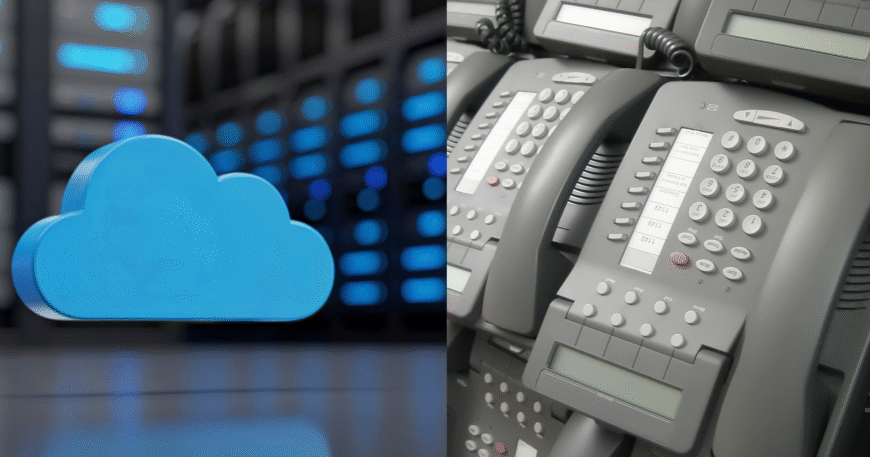
On-premise phone systems are traditional telephony setups where all hardware, servers, and infrastructure are installed and managed within the organization’s physical location. These systems typically rely on PBX hardware and internal IT resources for maintenance.
Key characteristics include:
- Requirement of physical PBX hardware
- High upfront installation and setup costs
- Ongoing expenses for maintenance and upgrades
- Limited scalability as teams grow
- Heavy dependence on in-house IT support
While on-premise systems provide control over infrastructure, they often become rigid and expensive as business requirements evolve.
What Is Cloud Telephony?
Cloud Telephony is an internet-based calling solution where calls are managed through cloud servers instead of physical phone lines. It eliminates the need for bulky hardware and complex installations, offering greater flexibility and control.
With Cloud Telephony, businesses can:
- Manage calls from any location
- Configure IVR and call routing instantly
- Access real-time call analytics and dashboards
- Integrate with CRM and CX tools
- Scale operations without infrastructure changes
Hallienz offers Cloud Telephony solutions that are easy to deploy and simple to manage, even for non-technical teams.
Cloud Telephony vs On-Premise: A Practical Comparison
Cost and Investment
On-premise systems require significant upfront capital investment and recurring maintenance costs. In contrast, Cloud Telephony follows a pay-as-you-use model with predictable operational expenses.
Scalability and Flexibility
Scaling an on-premise setup often involves purchasing additional hardware and reconfiguration. Cloud Telephony allows instant scaling based on business demand.
Remote and Hybrid Work Enablement
Traditional systems are location-bound. Cloud Telephony enables teams to handle calls from anywhere, supporting modern remote and hybrid work models.
Features and Automation
On-premise systems offer limited automation and reporting. Cloud Telephony includes IVR, smart routing, call recording, real-time analytics, and integrations with CRM and WhatsApp API. Hallienz helps businesses use these features strategically to enhance customer experience.
Maintenance and Upgrades
On-premise systems require ongoing IT intervention. Cloud Telephony updates are handled automatically without operational disruption.
Which One Is Right for Your Business?
On-premise systems may suit organizations with stable operations and strong IT teams. However, Cloud Telephony is ideal for businesses seeking flexibility, scalability, lower upfront costs, and improved customer experience.
Conclusion
Choosing between Cloud Telephony and on-premise phone systems is a strategic decision. While traditional systems served businesses well in the past, today’s dynamic environment demands agility and intelligence. Cloud Telephony enables faster responses, better insights, and superior customer experiences—making it the preferred choice for modern businesses. With Hallienz as a partner, this transition becomes seamless and impactful.
